What is Respect?
Respect is caring how your words and actions may impact others.
You might hear about having respect and showing respect — and both ideas come down to the same thing: caring. When we have respect for someone, it means we think well of them because of how they act. When we show respect, it means we think about how our words and actions might affect others before we say or do something.
We can show respect for people, places, and things. And when everyone treats each other with respect, it's easier to feel safe and get along with the people around us.
For a more complete definition for adults, see our definition of respect for adults. Scroll down for more about explaining respect to kids (including examples) and free respect teaching resources.
Explaining Respect in Simple Words for Kids
Having Respect
What does it mean to have respect for someone?
Having respect for someone means you think well of them because of the way they act.
Examples: Having Respect for Someone
- You think your grandma is pretty awesome because of the way she loves you and takes care of you. You feel respect for her because of the way she acts.
- You admire (respect) an inventor because he created something unique and special.
- You admire (respect) a historical figure because she stood up for what she believed in, even when it was hard.
- You appreciate how your teacher helps students learn and creates a positive classroom. You feel respect for your teacher because they have treated you and your fellow students with care.
- You see how difficult it was for someone to face a serious challenge. You respect them for how they faced their fears and worked through their pain to overcome hardship.
You can have respect for others, and you can have respect for yourself. Self-respect means you feel good about who you are and the choices you make. Learn more about self-respect and self-esteem for kids.
Showing Respect
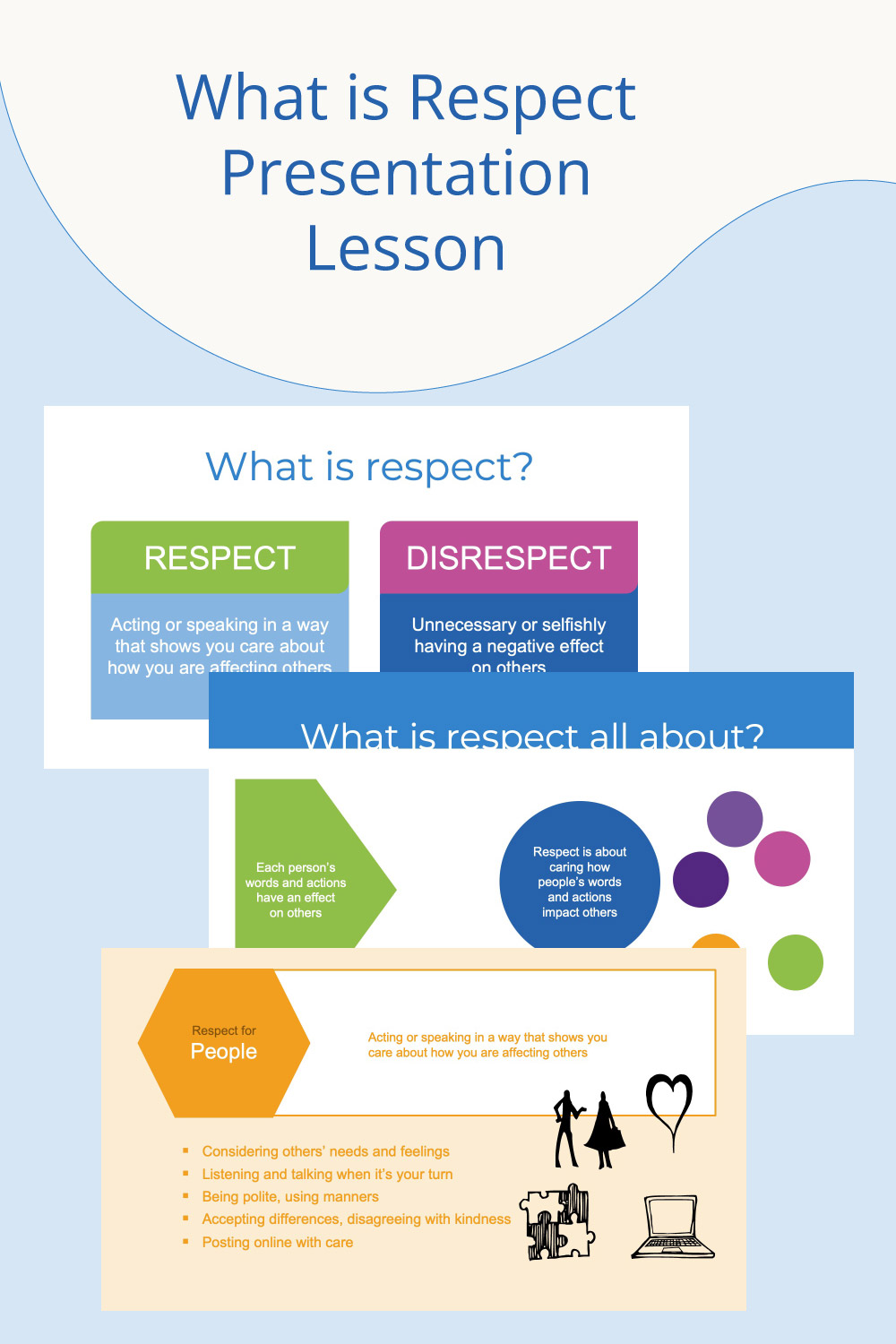
What does it mean to show respect?
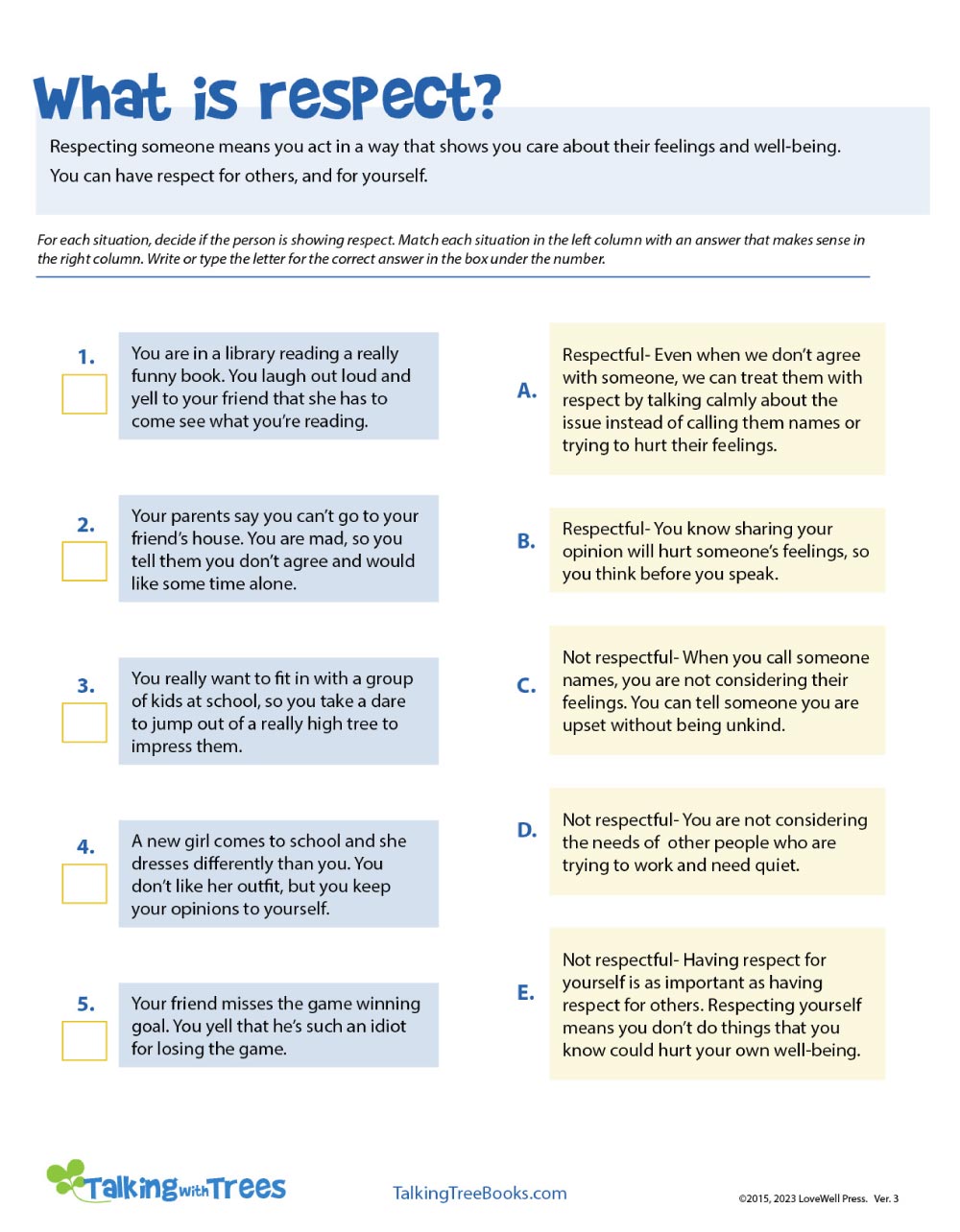
Being respectful means you think about how your words and actions might affect others — and then act with care. We can show respect for people, places, and things.
Showing Respect — Examples:
- You are quiet in a library to show that you care about (respect) others' need to read without interruption.
- You follow your parents' rules to show them you care (respect) how they feel about the situation.
- You don't call people names because you care about (respect) their feelings.
- You don't damage public places because you care about (respect) keeping them nice for everyone.
- You don't hit or otherwise hurt people because you care about (respect) their well-being.
- You use other people's toys with care (respect) so you don't break them.
- You dress, speak, and act in ways you know are right and safe, because you care about (respect) yourself.
- You let other people be different from you — in how they look, what they think, or how they act — because you care about (respect) their feelings.
Why is Respect Important?
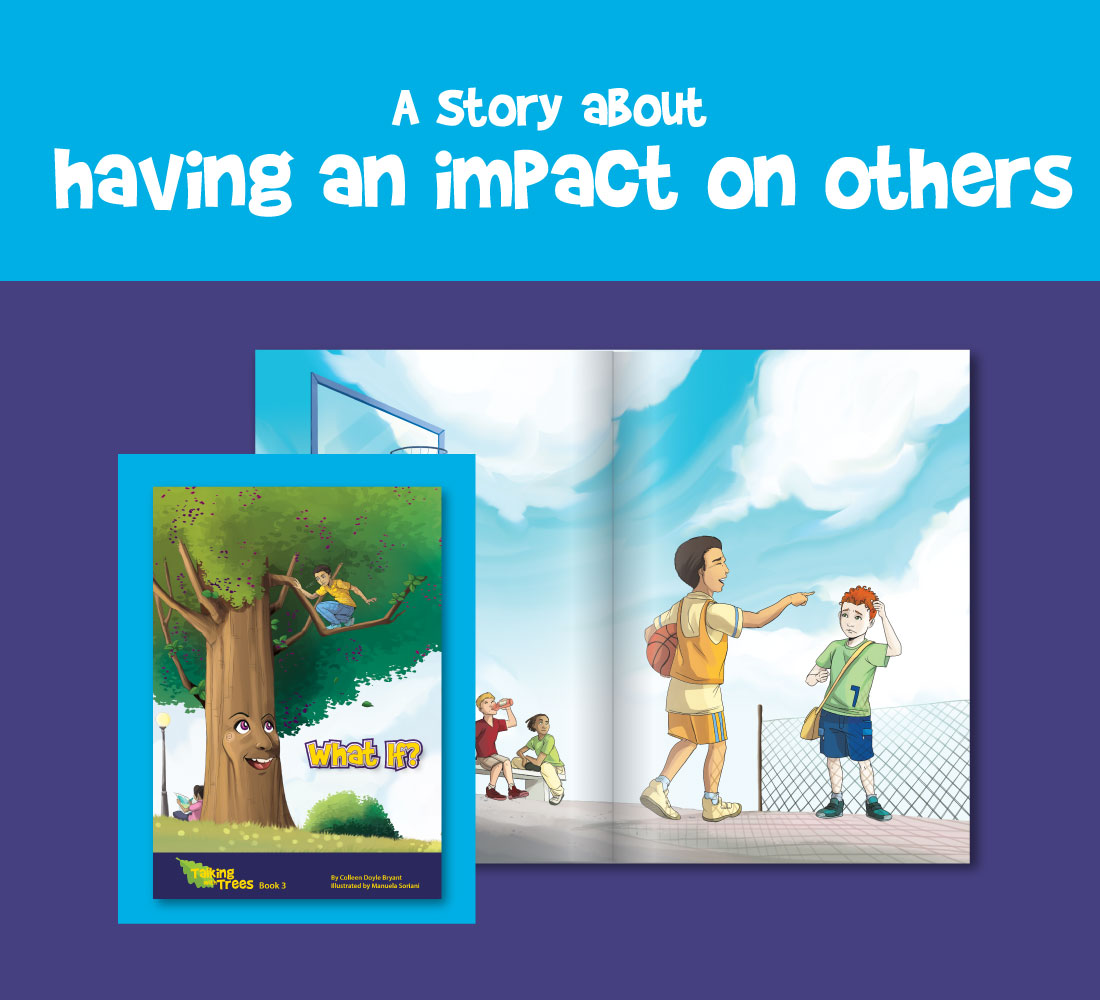
To understand why respect is important, think about what life would be like if people didn't treat each other with respect. Without it, people might say or do hurtful things and not even care. They might act in dangerous or mean ways without thinking about how it affects anyone else.
All of us in society need to treat each other with respect if we want to feel safe and live peacefully together. Respect is important because it means we treat others the way we want to be treated. So if we don't treat others kindly, how can we expect them to be kind in return?
Teaching Kids About Respect
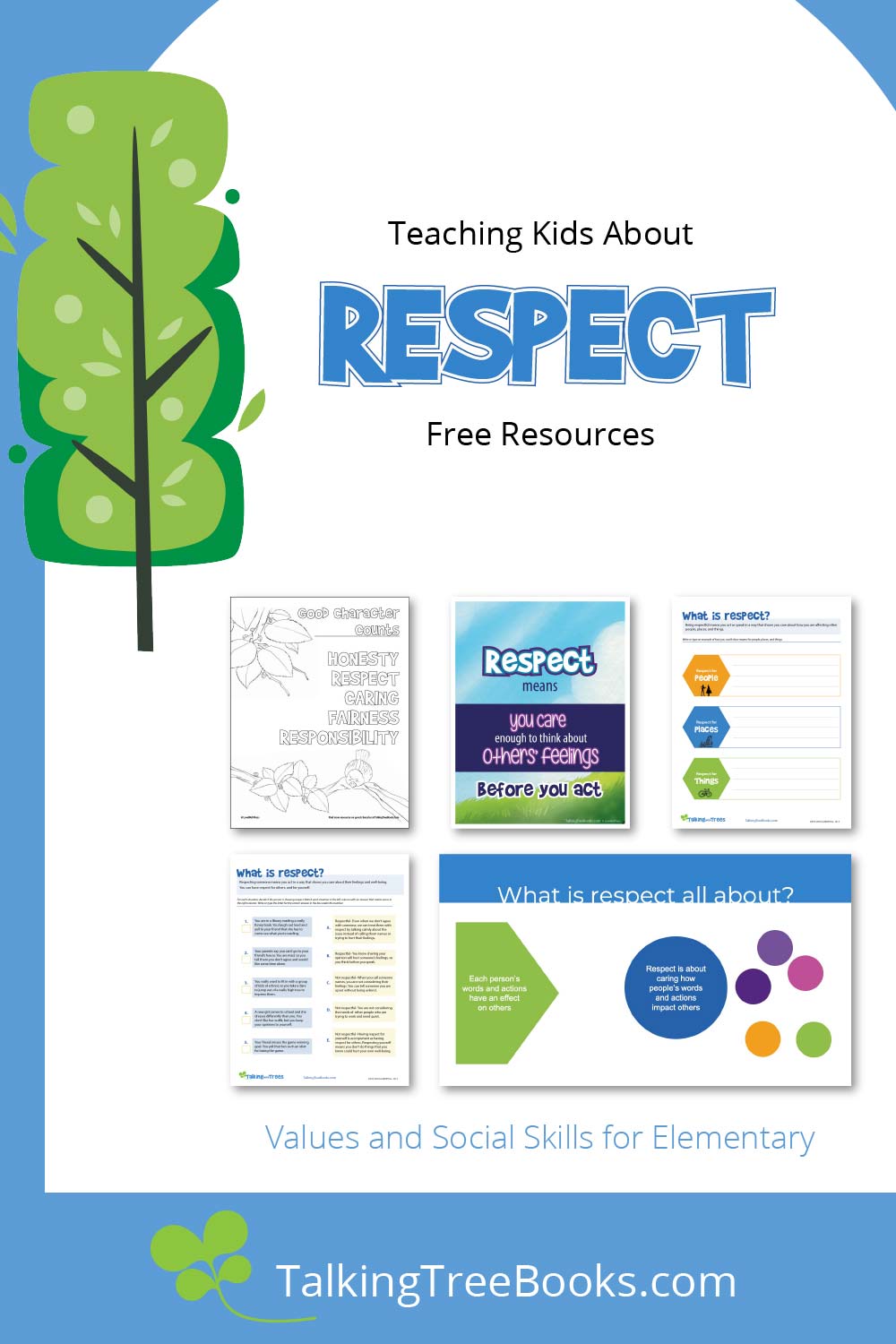
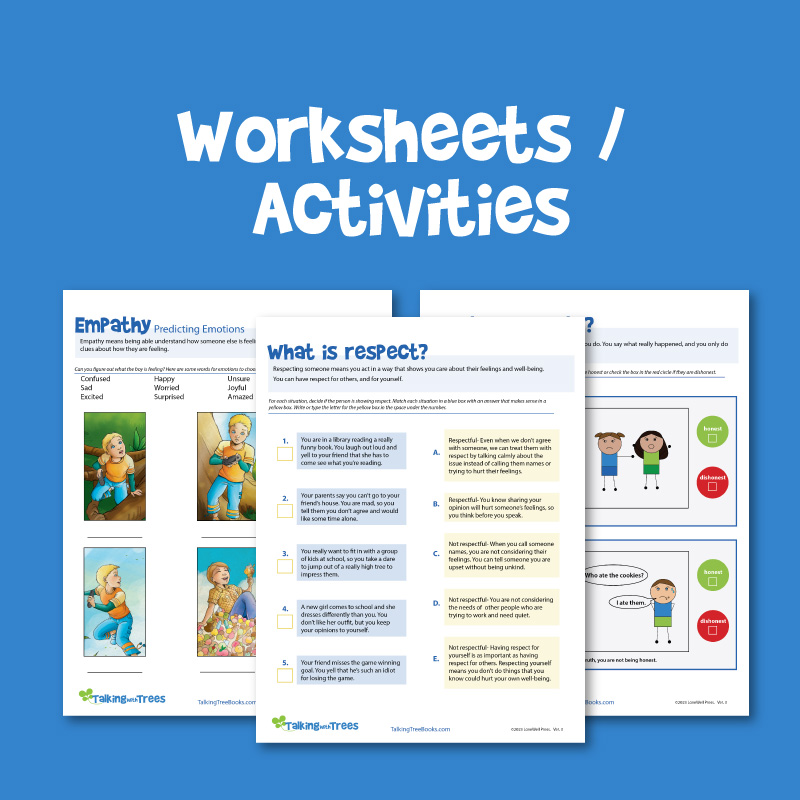
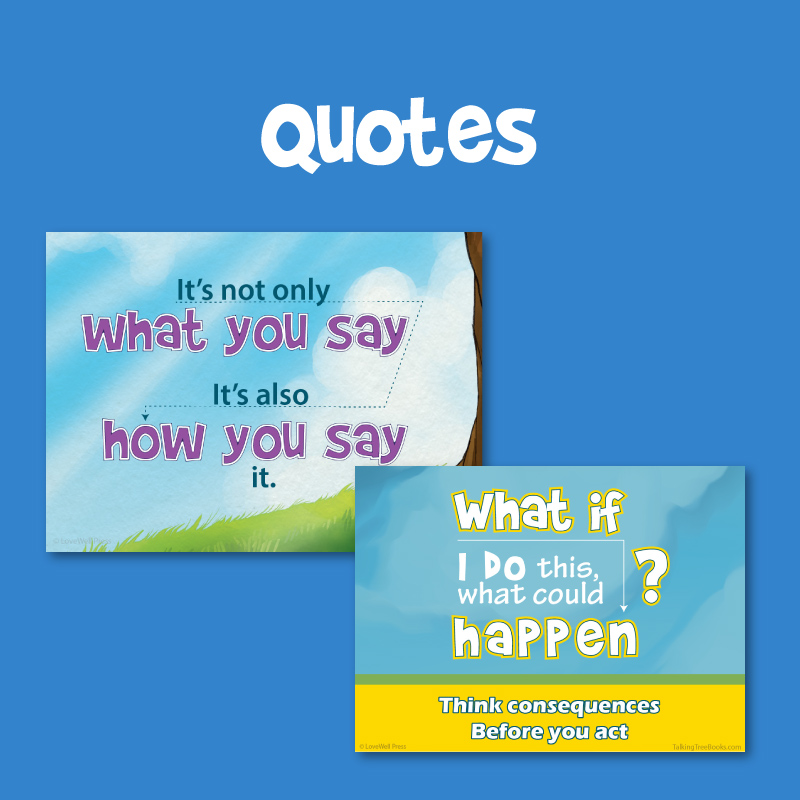
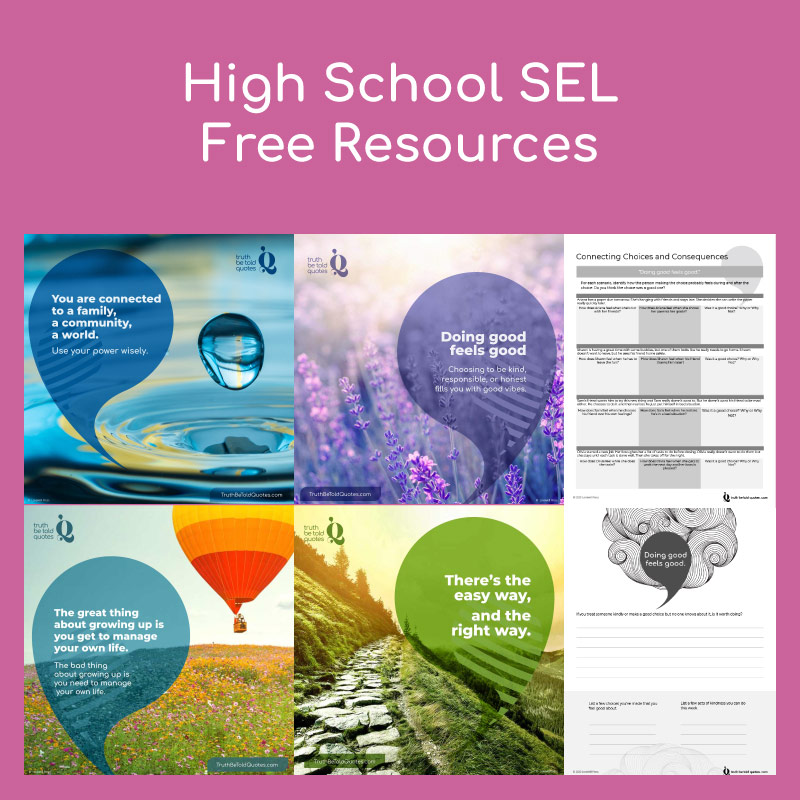
Need help talking to kids about respect? Explore books and free teaching resources featuring explanations and examples kids can relate to. From worksheets and posters to presentations and lesson plans, Talking with Trees is ready to help you teach kids about respect in an engaging way.
Free Respect Teaching Resources

Colleen Doyle Bryant
Colleen Doyle Bryant is the author of five books and more than 50 learning resources about making good choices for the right reasons. Her Talking with Trees series for elementary students and Truth Be Told Quotes series for teens are used in curricula around the world. Rooted in Decency, Colleen's most recent release, written for an adult audience, explores how the decline in common decency is affecting wellbeing, and how we can build more trust and cooperation. Learn more at ColleenDoyleBryant.com